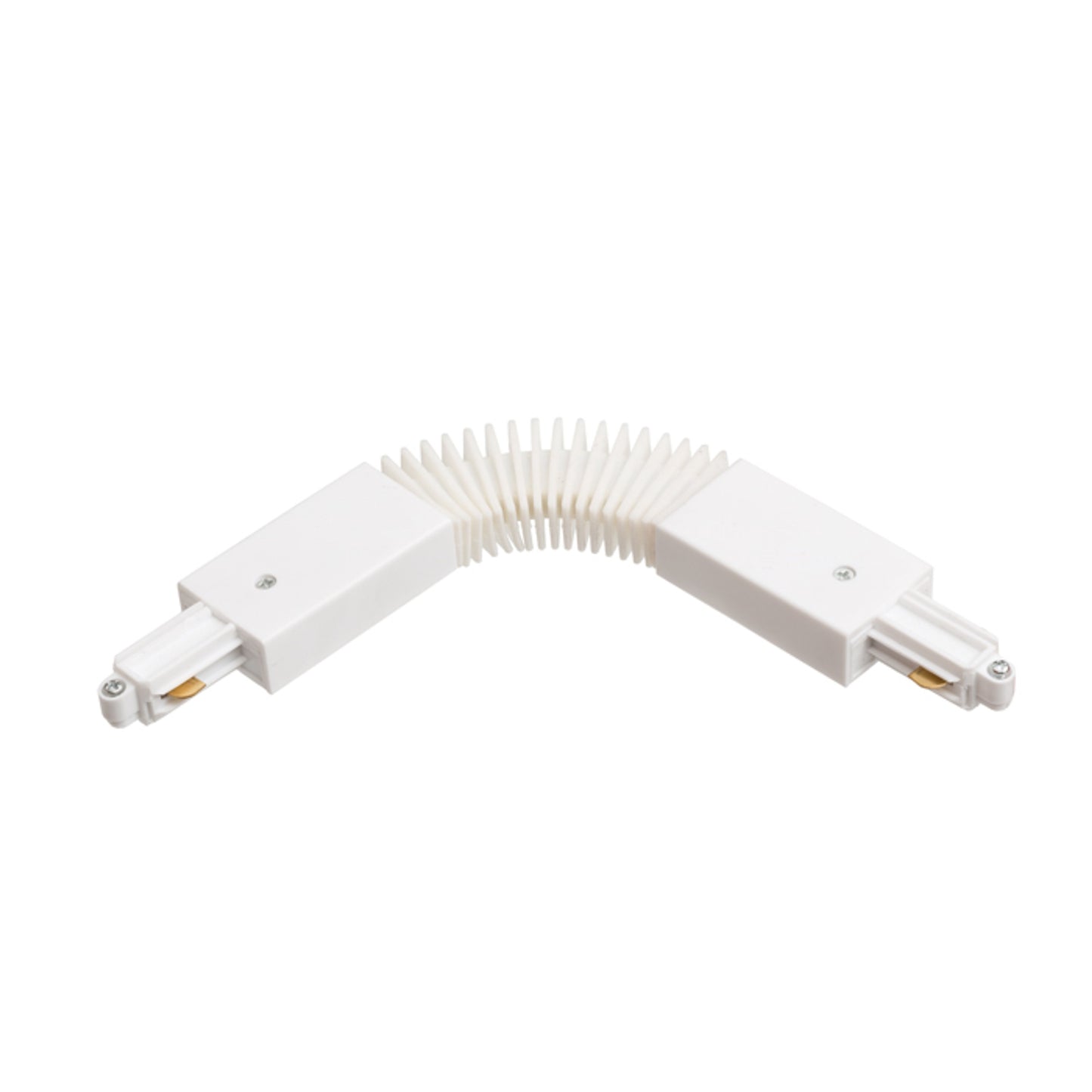
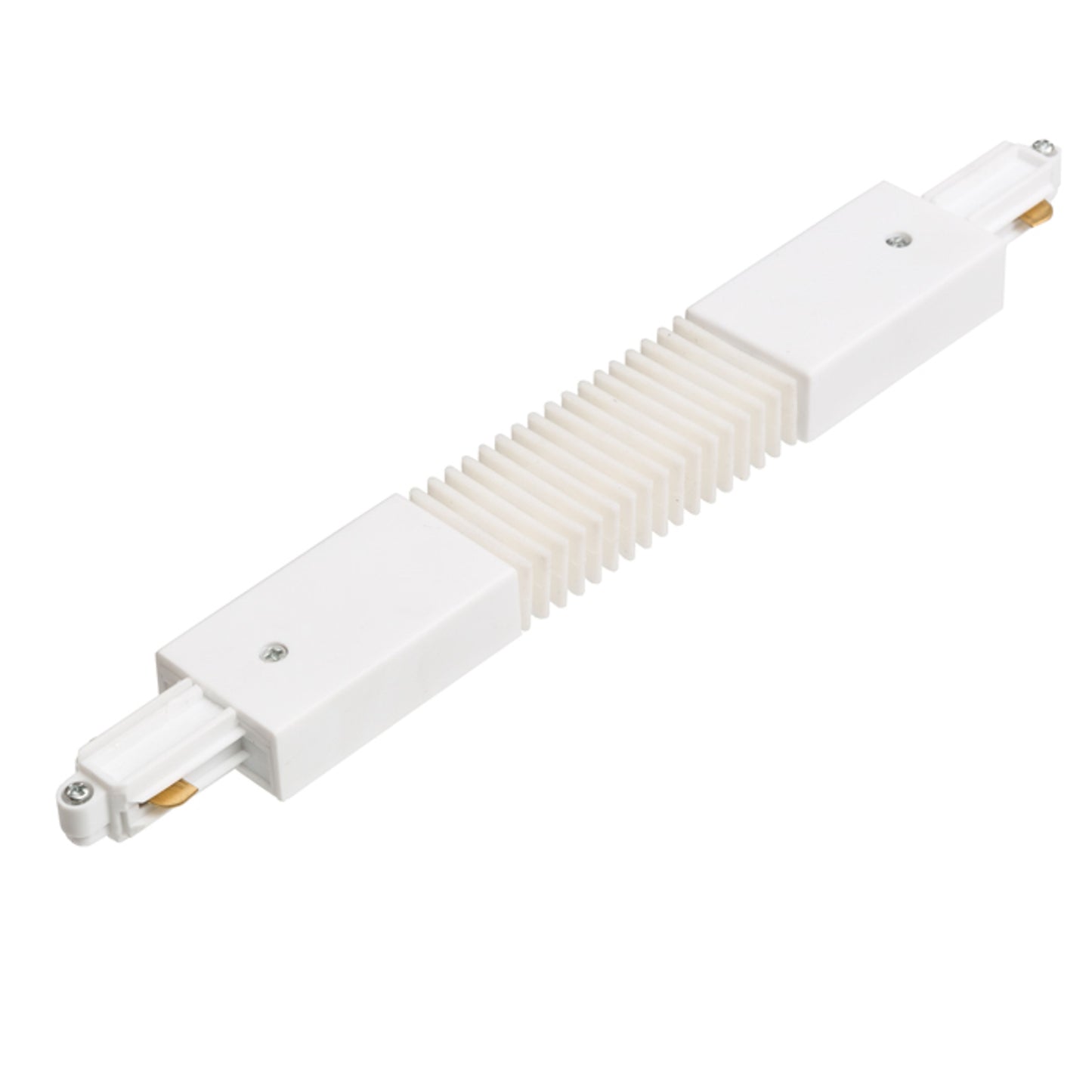
1F connettore flex è un elemento di sistema progettato per il sistema ferroviario 1f per aiutare a stabilire senza problemi un vantaggio laddove è necessario un cambio di direzione. Non si tratta di una lampada separata, ma di una parte importante dell'insieme che amplia le possibilità progettuali dell'intero impianto di illuminazione.
Grazie al suo design flessibile, permette di adattare il percorso delle lamelle ad uno spazio specifico. In pratica è adatto laddove un collegamento diretto non è sufficiente ed è necessario creare una soluzione successiva tenendo conto della disponibilità degli interni.
Compatibilità e utilizzo nel sistema
Questo componente è progettato per l'uso in un binario a circuito singolo e pertanto si adatta ai gruppi del sistema di binari 1f. Il suo compito è collegare le parti del sistema in modo tale che sia possibile guidare la barra anche nei punti in cui è necessario risolvere la flessione in un intervallo più ampio.
Durante la progettazione dell'assemblaggio, apprezzerete la possibilità di lavorare con un angolo di curvatura compreso tra 70° e 180°, che offre maggiore libertà nella guida delle lamelle negli interni commerciali e residenziali. Allo stesso tempo, il componente è progettato per un carico fino a 16 A, quindi soddisfa i requisiti di un normale collegamento di sistema all'interno di questa categoria.
Proprietà chiave del componente per il sistema ferroviario 1f 1F connettore flex
- Le dimensioni compatte semplificano la pianificazione della posizione e il montaggio all'interno del gruppo lamelle.
- L'alimentazione per un impianto elettrico comune semplifica l'integrazione in uno spazio standard.
Contesto tecnico e installazione
1F connettore flex è adatto ovunque il sistema ferroviario debba avere continuità senza inutili compromessi nel percorso. Aiuta a risolvere il lato tecnico dell'assemblaggio in modo pulito e funzionale, soprattutto se lo spazio richiede una transizione più fluida tra le singole parti della barra.
Durante l'installazione, è importante considerare il suo ruolo all'interno dell'intero sistema e integrarlo correttamente nella configurazione progettata. Questo tipo di componente è particolarmente importante quando è necessario mantenere la funzionalità e la continuità della linea quando si cambia la direzione della distribuzione delle strisce.